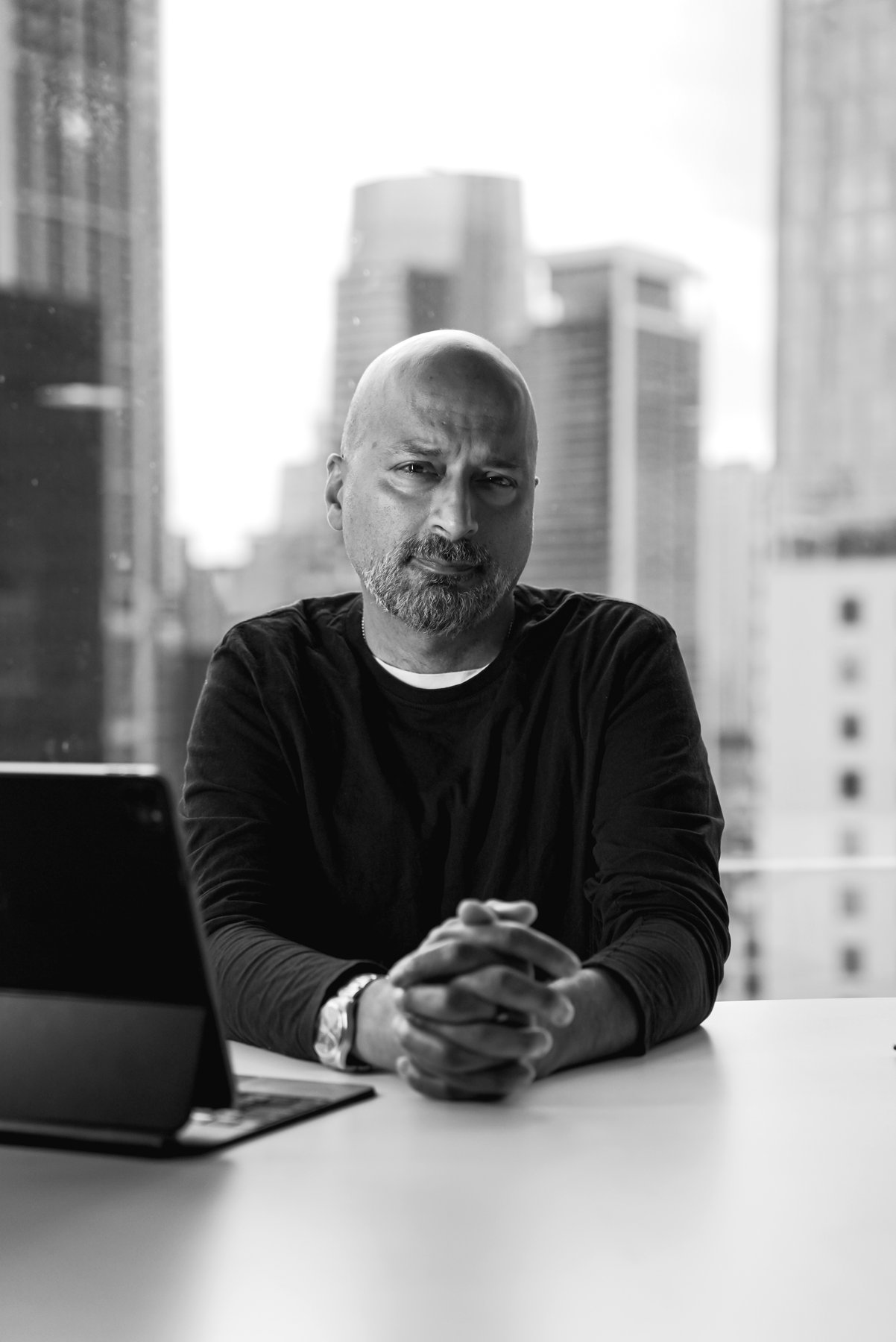
From the ground up.
Advisory work on soil, capital, and the systems that connect them.
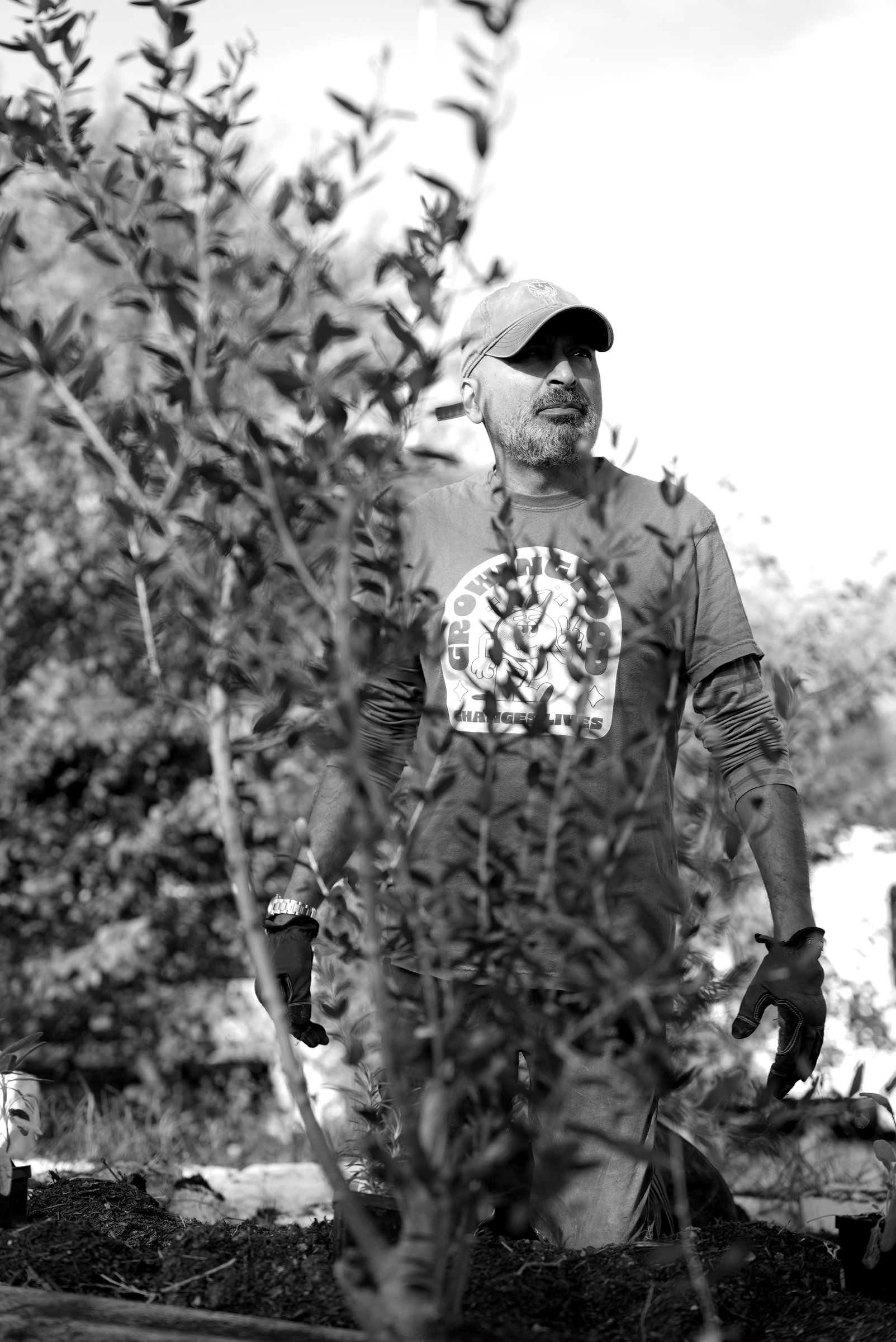
For fifteen years on Wall Street, my work was tracing ripple effects. An event in Lagos moves a portfolio in London. A policy shift in Beijing reshapes a balance sheet in São Paulo. The discipline was never prediction — it was understanding what depends on what.
The same discipline applies to food, and to the treatment of land. Disturb the biology beneath a field and you alter what grows above it, what lives among it, what eats from it, and eventually what arrives on a dinner plate a continent away. The mathematics of interdependence does not change when the asset class changes.
Most of what passes for modern food production is the obscene end of a long chain of those disturbances. The work now is a paradigm shift in how we approach soil, farming, and health across the world.
Every economy is a subsidiary of ecology.
The reverse has never been true, though we have spent a century pretending otherwise.
I left finance because the patterns I was paid to model in markets were running, more consequentially, in the living systems we depend on — and almost no one was looking at them.
Advisory.
I take projects selectively, and only those I can move meaningfully. Four areas of work.
Soil & regenerative land design.
Diagnostic and design work for landowners, foundations, and operators converting conventional systems to regenerative ones. Soil biology, water, perennial systems, food forests.
Capital & regenerative investment.
Advising allocators and family offices on where regenerative agriculture is genuinely investable, where it isn't, and how to evaluate the difference. Drawing on fifteen years pricing risk in conventional markets.
Strategy for institutions & land.
Long-form advisory for organizations — religious, civic, philanthropic — that hold land and want to engage the natural communities within them. Mosques, foundations, community trusts. Designing the bridge from ownership to stewardship to community function, and the establishment of markets from the ground up.
Garden cities & urban food systems.
Advisory to municipalities and developers on reintegrating food production into urban design — rethinking how cities feed themselves, from the soil up. The garden city is not a new idea. It is an unfinished one.
In finance, my job was to figure out the magnitude of a ripple. In land, it is to unwind the ones we should never have made.— Aamar Khwaja
The calendar is finite.
I take a small number of engagements each year. If your work touches soil, capital, or the place where they meet — write.